
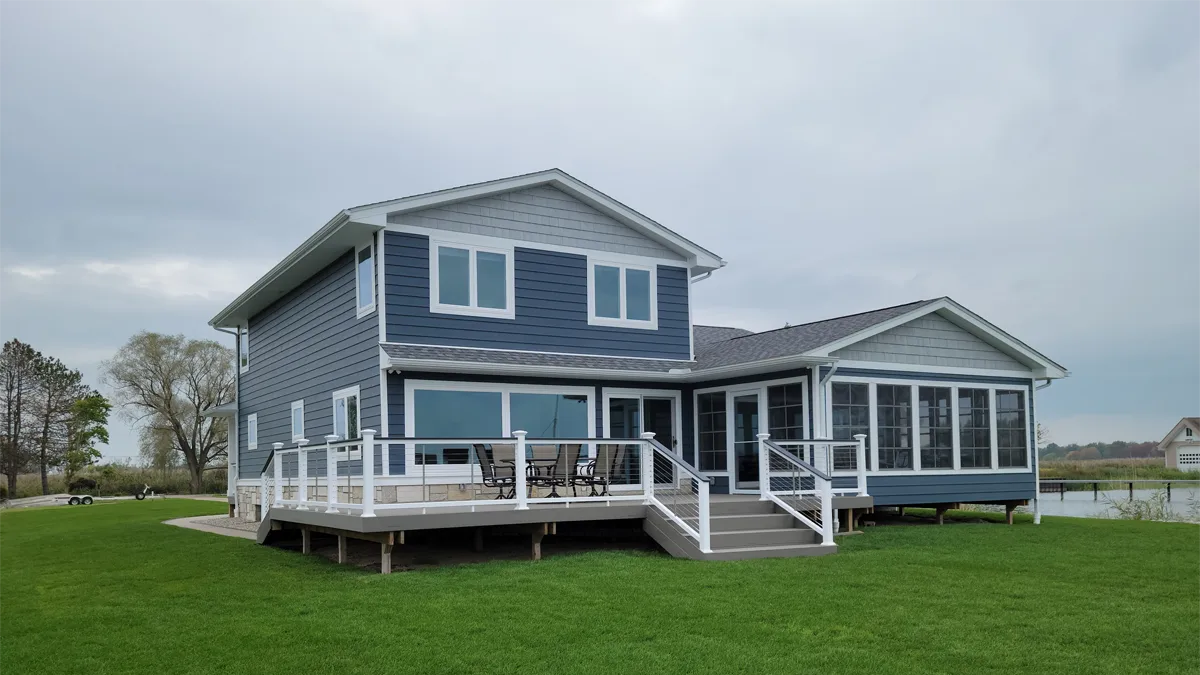
Picture Windows: When They Make Sense in a Canadian Home
I often get asked about big, fixed windows when someone is renovating a living room or opening up a wall. The idea is simple: more glass, more light, better view. And in the right spot, picture windows do exactly that.
But they are not a default choice. In most homes I look at, the decision comes down to how that space is used and whether you actually need airflow there.
A picture window can make a room feel brighter and more open. It can also create problems if the opening is oversized, poorly placed, or installed without enough attention to sealing and support. Glass is great until it starts acting like a cold wall with a view. Humanity keeps learning this the expensive way.
Where Picture Windows Work Best
Picture windows are fixed units. No hinges, no sliders, no moving parts. That changes how they behave compared to other window styles.
In many Canadian homes, they make the most sense where the goal is light and view, not ventilation. I usually see them used in living rooms, dining areas, stairwells, or higher wall sections where opening the window would not be practical anyway.
They are especially useful when:
- The view outside is worth framing
- The room feels dark and needs more daylight
- The window is set high or in a hard-to-reach area
- Operable windows nearby can handle airflow
- The homeowner wants a cleaner glass area without sash lines breaking up the view
Because there is no sash or hardware across the centre, a picture window gives a wider, cleaner view than many operable styles. That is the main appeal.
Why They Can Perform Well
From an installation and performance standpoint, picture windows are usually one of the tightest window types you can put in. No moving parts means fewer places for air to leak. In winter, that can help reduce drafts around the unit and make the area near the glass feel more stable.
That does not mean every picture window performs well automatically.
The glass package still matters. A large fixed pane with poor insulation can still feel cold during Canadian winters. What I look for is a low U-factor, proper Low-E coatings, suitable glass spacing, and a frame that matches the size and use of the opening.
I also pay close attention to the installation. Large fixed units leave less room for shortcuts. Even small gaps around the frame can become noticeable when the glass area is big.
For homeowners who want a more technical reference, Fenestration Canada’s technical and code hub is a useful place to understand how window performance, standards, and installation details connect. It is not light bedtime reading, unless your idea of relaxing is becoming briefly angry at building-envelope details.
The Trade-Offs Most People Miss
The biggest trade-off is obvious but still overlooked: picture windows do not open.
I have seen homeowners install a large fixed window in a living room and then realize the space feels stuffy in warmer weather because there is no airflow. That is why I usually recommend pairing picture windows with casement, awning, or slider units nearby when the room needs ventilation.
Another factor is size. These windows can get very large, but that does not mean every opening should be maxed out. Bigger glass units can need more structural support, and installation becomes more critical as size increases.
There is also the comfort factor in winter. Even high-performance glass can feel cooler than a well-insulated wall. With very large units, you may notice that effect more during cold snaps, especially if furniture is close to the window.
One common homeowner misconception is that bigger always means better. In reality, the best result usually comes from balancing glass size, comfort, airflow, and how the room is actually used.
What I Look for During a Site Visit
When I assess a home for this type of upgrade, I focus less on the window alone and more on the wall around it.
I look at how the opening is framed, whether the existing structure can handle a larger unit, and whether any changes would be needed before installation. I also check for signs of water staining, old air leakage, weak trim details, or previous repairs around the opening.
If the homeowner is comparing window replacement options, this is where the conversation should move beyond style. A picture window may look simple, but the opening still has to be measured properly, insulated carefully, and sealed so the unit performs the way it should.
Sun exposure also matters. A large fixed window facing strong afternoon sun can make a room hotter in summer. The right glass package can help manage heat gain, but it should be planned before the order is placed, not after the room starts feeling like a greenhouse with furniture.
A Quick Field Example
I worked on a home where the owner wanted to replace a standard living room window with almost a full wall of glass. The view into the yard was good, so the idea made sense.
But the room still needed airflow. Instead of making the whole opening fixed, we used a large central picture window with smaller operable units on each side. That kept the wide view while still giving the homeowner ventilation in warmer months.
After the installation, the space felt brighter and more open, but it still worked as a real living room. That balance is what made the project successful.
Timing, Budget, and Planning
Picture windows can vary quite a bit in cost depending on size, glass type, frame material, and whether structural changes are needed. A simple replacement in an existing opening is one thing. Expanding an opening or adding support is a different project.
Timing is similar to other window replacements, but larger units often need more planning. Custom sizing, glass packages, access, and finishing work can all affect the schedule.
One thing I caution homeowners about is oversizing without thinking it through. A slightly smaller picture window, placed properly and paired with operable windows nearby, often delivers a better result than simply choosing the largest glass unit possible.
Spend the money where it improves the room, not just where it makes the quote look impressive.
Closing Thought
Picture windows are a strong option when the goal is to bring in daylight and make the most of a good view. Used in the right place, they can noticeably change how a room feels.
From what I see on site, the best outcomes come from treating them as part of a bigger plan, not just a standalone feature. Get the balance right between glass, airflow, structure, and installation quality, and picture windows tend to perform well over time.
Q&A
Are picture windows more energy-efficient?
Usually, yes. Because they are fixed, they tend to be more airtight than operable windows. But the glass quality, frame, size, and installation still play a major role.
Can picture windows be very large?
Yes, but larger units may require more structural support and careful handling during installation. Bigger glass should be planned properly, not treated like a simple swap.
Do I need other windows for ventilation?
In most rooms, yes. Since picture windows do not open, nearby operable windows are usually needed if the space relies on natural airflow.
Are picture windows good for living rooms?
Often, yes. They work well in living rooms where light and views matter more than direct ventilation from that exact opening. The best setup usually depends on the room layout and nearby airflow options.