Changing Front Door Width During Replacement: What Needs Planning?

A wider front door may require more than a new slab. Compare clear passage, sidelights, structural opening changes, and finishing before ordering.

A wider front door may require more than a new slab. Compare clear passage, sidelights, structural opening changes, and finishing before ordering.
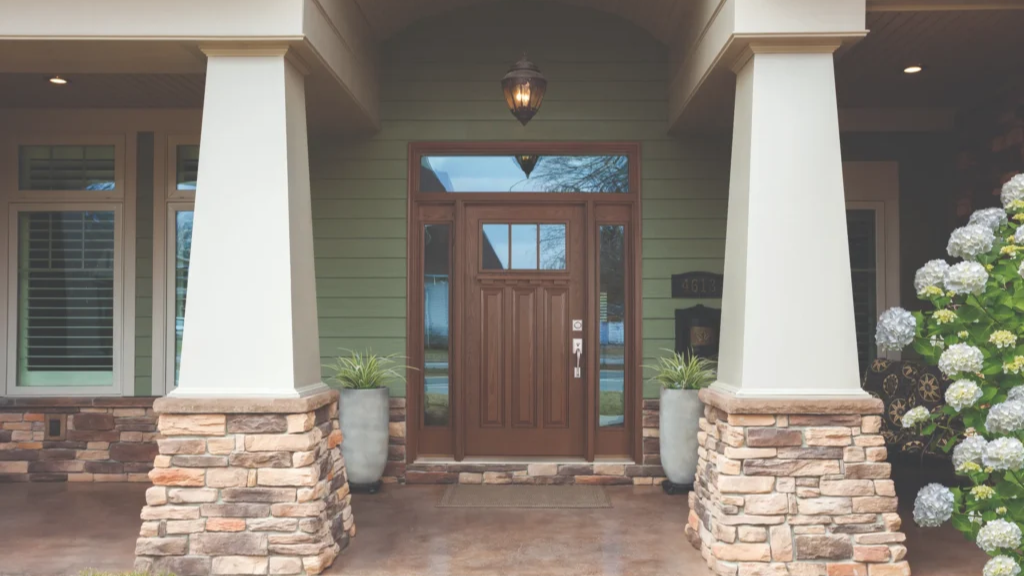
I get called in for the same complaint a lot once the cold months settle in. The door is locked, but there is still a draft. Sometimes it is subtle. Sometimes it is bad enough that you avoid sitting near the entry altogether. It usually comes up when homeowners are comparing hardware options during a front entry or patio door replacement, and they want to know if multi-point locks are actually worth the extra cost.

On a cold Canadian morning, I can usually tell which homes need a new front door before I even get to the step. The area around the entry just feels cooler, and the door looks a bit tired compared to the rest of the exterior.

I often see homeowners struggling with their front entrances as soon as the first deep freeze hits. Usually, the door becomes incredibly stiff and hard to yank open, or there’s a freezing draft coming in even when the deadbolt is fully locked.
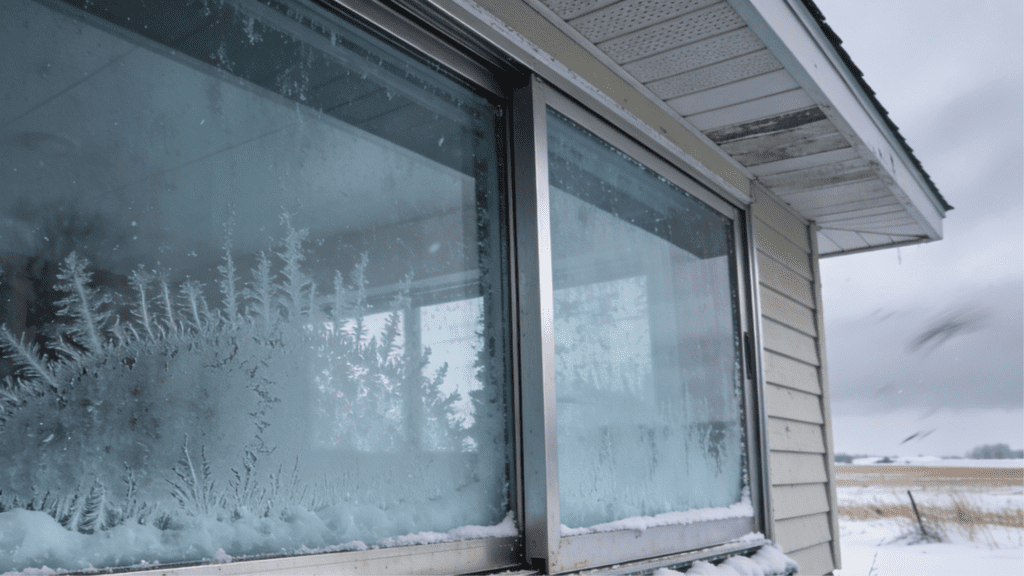
I get calls every winter from Manitoba homeowners frustrated with their patio doors. The slider freezes shut in the track during polar vortexes, forcing them to chip ice at -30°C just to let the dog out or grab deck furniture. Come spring thaw and summer storms, it jumps rails, leaks water inside, and lets humid air plus bugs infiltrate despite constant weatherstripping patches.

I often get calls from Alberta homeowners around late fall when the first real cold snap hits. Their front door feels like a sheet of ice to the touch, and they can see daylight peeking around the edges even after jamming a towel underneath. It’s usually the original door from the 70s or 80s, swollen from summer humidity and cracked from years of freeze-thaw cycles.
AlphaTech Windows & Doors
60% off on Windows Installation
0% deposit · do not pay till 2027