
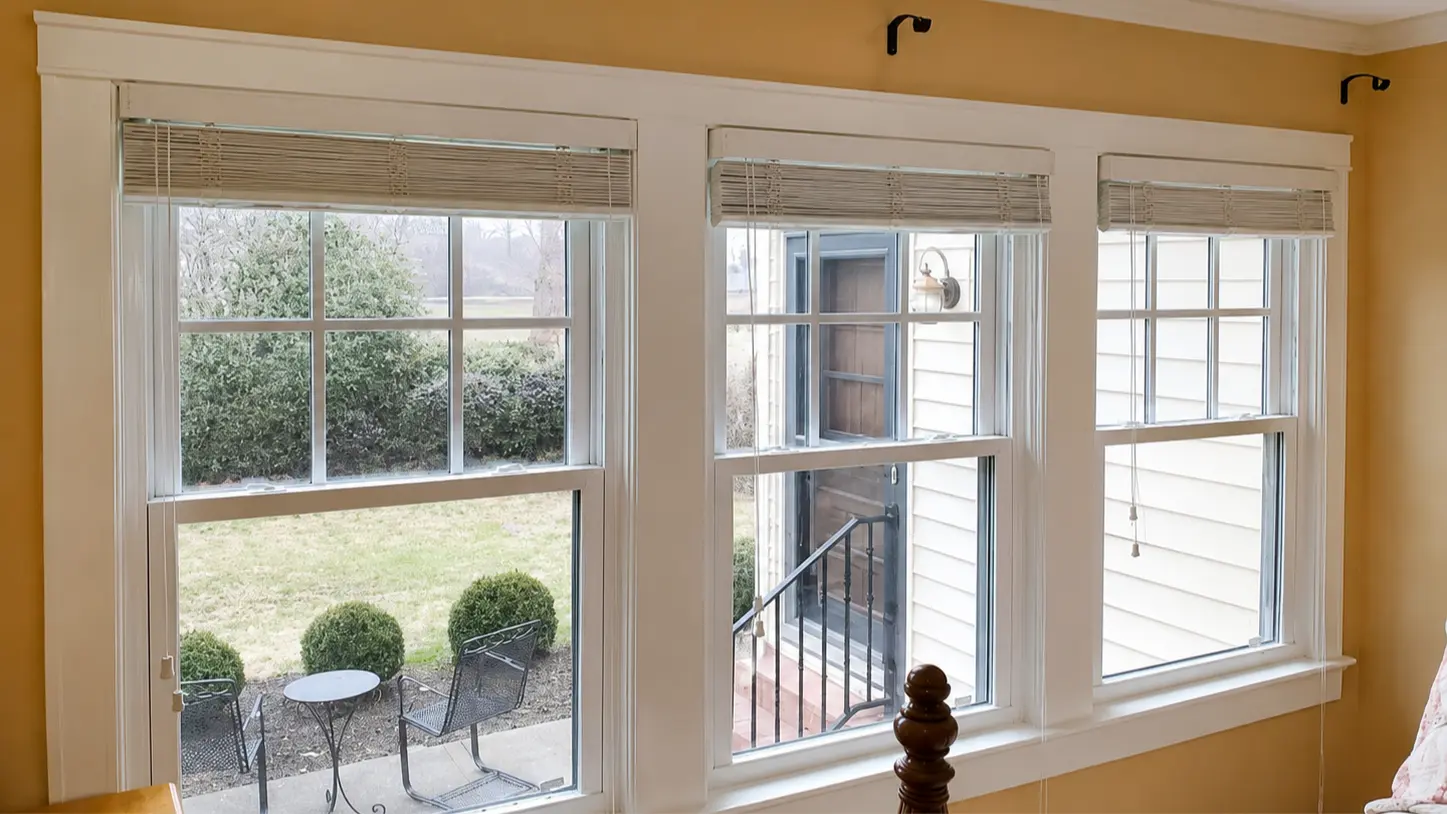
Window Replacement Wall Damage: What to Expect Around the Opening
One of the first questions homeowners ask me before a project is whether replacing the windows will damage the walls, trim or siding.
The honest answer is that some controlled disturbance may be necessary. The amount depends on the installation method, the condition of the existing opening and how the window is finished inside and outside. Window replacement wall damage should not be treated as inevitable, but promising that every piece of drywall, casing and siding will remain untouched is not realistic either.
A careful installation starts with understanding what must be removed and what can reasonably stay.
Why Some Finishes Need to Be Disturbed
A window is connected to more than the visible wall surface. Behind the casing or drywall return, there is a frame, insulation, shims, fasteners and the rough opening in the wall.
On the exterior, the window may be tied into siding, trim boards, metal capping, stucco or masonry. Sealants and flashing help keep water outside while allowing the opening to drain correctly.
If the project is a simple retrofit and the existing frame is dry and solid, much of this material may stay in place. A full-frame replacement exposes more of the opening, so interior or exterior finishes usually require additional work.
I often see homeowners compare two quotes without realizing that one contractor is pricing a retrofit and the other is pricing complete frame removal. The difference is not only the window. It is also the amount of access, preparation and finishing included.
Retrofit Versus Full-Frame Replacement
A retrofit window is installed inside the existing window frame. This approach usually causes less disruption because the original frame, interior casing and some exterior finishes remain in place.
It can be a reasonable option when:
- The existing frame is dry and structurally sound
- The opening is reasonably square
- There are no signs of recurring water entry
- The retained frame does not create a major loss of glass area
- The surrounding finishes are in good condition
A full-frame replacement removes the old window and its main frame. This gives the installer better access to the rough opening, insulation and hidden conditions.
It may be more practical when the old frame is damaged, the opening is poorly insulated or previous replacement work has covered problems instead of correcting them.
Homeowners reviewing their window replacement options should ask which method is being proposed and what parts of the opening will remain. A lower quote can be reasonable, but only when the less invasive method fits the condition of the house.
What Can Happen to Interior Trim and Drywall
Interior casing can sometimes be removed carefully and reused. That is often worthwhile when the trim matches the rest of the home or has a profile that is difficult to replace.
Reuse is not always possible. Older trim may be brittle, heavily painted, nailed through several layers or glued to the wall. Even careful removal can cause splitting or paint damage.
Drywall returns create a different challenge. If the drywall runs directly into the old frame, installers may need to cut it back so the new window fits correctly. A change in frame depth can also leave a gap that needs patching or a new trim detail.
Minor paint cracking can happen near the opening because materials move during removal. That does not mean the installer handled the window carelessly. The important question is whether patching, new casing and painting are included in the scope.
What Happens Around Siding and Exterior Trim
Exterior work depends on the cladding around the window.
Some siding can be loosened and reinstalled. Other siding becomes brittle with age or may no longer be available in the same profile or colour. Metal capping is often replaced rather than reused because it is shaped specifically around the existing opening.
Brick, stucco and siding each require different finishing details. An experienced installer should explain how the new window will be sealed and how water will move around the opening.
The Fenestration Canada Installer Certification Program reflects why installer knowledge matters alongside the window product. The frame, insulation, flashing and surrounding wall must work together. A high-performance window installed into a poorly prepared opening can still leak air or water.
Hidden Conditions Are the Main Unknown
The greatest uncertainty is usually what cannot be seen before removal.
Exterior capping may hide deteriorated wood. Interior casing may cover missing insulation or staining. A previous installer may have used excessive foam, too few fasteners or improvised supports.
These conditions do not appear on every project, but they should be discussed before work begins. Homeowners should ask how unexpected repairs will be documented, priced and approved.
The goal is not to create fear about hidden damage. It is to prevent a situation where additional work appears without a clear explanation.
A Typical Installation Surprise
I once inspected a window that looked fairly normal from inside. The casing was intact, and there was no obvious drywall damage.
After the full frame was removed, we found that one lower corner of the rough opening had been exposed to moisture for years. The exterior capping had hidden the deterioration.
The damaged wood had to be repaired before the new window could be installed properly. Reusing every piece of trim would have saved a small amount, but leaving the damaged section untouched would have created a much larger problem later.
That is the kind of decision that cannot always be made from the original room inspection alone.
How to Limit Unnecessary Repairs
Homeowners can reduce surprises by asking a few direct questions before approving the work:
- Will the existing casing be removed or left in place?
- Is drywall patching included?
- Who handles painting or staining?
- Will exterior capping be replaced?
- What happens if rot or water damage is uncovered?
- Can the existing trim be reused without compromising the installation?
It is also worth moving furniture, removing window coverings and clearing access before the installation date. This does not change the technical scope, but it helps the crew work carefully around the opening.
Avoid paying for all-new trim automatically. If the existing material is in good condition, reuse may be practical. On the other hand, forcing installers to preserve damaged or unsuitable trim can add labour without improving the result.
Questions Homeowners Often Ask
Will window replacement always damage drywall?
No. Some retrofit installations require little or no drywall work. Full-frame replacement and drywall returns are more likely to need patching or adjustment.
Can my existing interior casing be reused?
Usually, if it can be removed without splitting and still fits the new frame depth. Older or heavily painted trim may be difficult to save.
Is siding repair normally included?
It depends on the contract. Exterior trim or capping may be included while larger siding repairs are treated as additional work. Confirm the responsibility before installation.
Should I avoid full-frame replacement to protect the walls?
Not if the existing frame is damaged or hiding installation problems. Preserving the finishes is not useful when it prevents the opening from being repaired correctly.
The best window replacement does not pretend the surrounding wall is irrelevant. It protects what can reasonably be saved, exposes what must be inspected and makes the required finishing work clear before the project begins.