
Common Window Replacement Questions: Straight Answers from the Field
By Alex, Senior Installation Project Manager, AlphaTech Windows and Doors
Prospective buyers always hit the same wall of uncertainty before dropping serious money on window replacement questions advice. It’s the big spend that makes people pause – is it repair, replace, or something in between?
Spotting Repair vs Full Replacement
The first decision is usually whether to chase fixes or commit to new units.
- Foggy glass or failed seals can often be fixed with new insulated glass units (IGUs) from a local glazier, saving thousands if the frames are still straight and square.
- Check for air leaks, sticky operation, or rotten sills. If the frame is solid, glass‑only or seal replacements might be enough; if it’s warped or rotting, you’re looking at full units.
- In cold climates, sustained issues like condensation between panes or drafts at the perimeter usually point to the whole system being tired, not just one part.
Homeowners often overestimate how bad things are until they pull the trim and see what’s really going on.
Understanding Window Types and Options
Once you’re past repairs, the choices multiply.
- Retrofit or insert windows fit into the existing frame – faster, less invasive, good for vinyl or aluminum originals where the rough opening is fine.
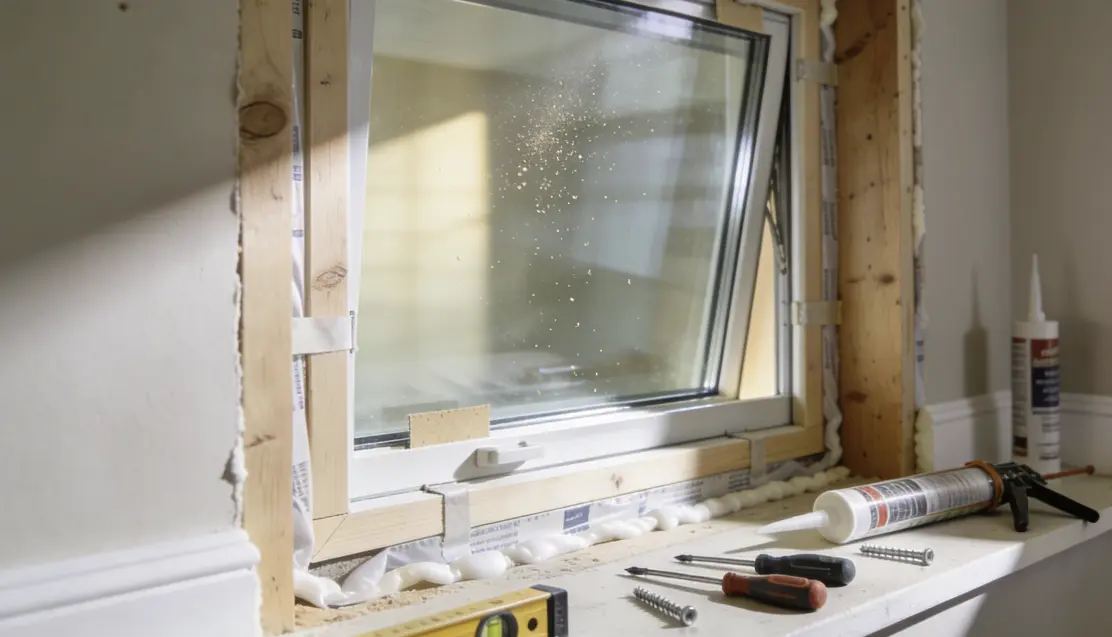
- Full‑frame replacement means pulling the old frame to the studs, perfect for rotten wood, shifted openings, or when you want maximum sealing and insulation.
- Double vs triple pane: Double works for milder exposures; triple pane shines in north‑facing rooms or harsh winters for better comfort and less heat loss, but it’s heavier and pricier.
- Fiberglass or vinyl‑clad wood hold up better long‑term than basic vinyl, with thinner frames for more light and less expansion in temperature swings.
The right pick depends on your home’s age, exposure, and how long you plan to stay.
Other Practical Concerns Before Buying
Lead times, permits, and warranties trip people up.
- Expect 8-12 weeks from order to install for custom sizes, longer in peak seasons; stock sizes are faster but less precise.
- Permits are usually needed for full‑frame work, especially in historic areas or multi‑story homes; check local rules early.
- Warranties vary – lifetime glass on premium brands, but installation workmanship is often 5-10 years; get it in writing and transferable.
For cold areas, look at U‑factor and air leakage ratings from NRCan to match your climate.
A Typical Homeowner Moment
I remember a guy in a mid‑century bungalow who was set on full replacement for 12 foggy windows. Turns out, the frames were aluminum but solid, no rot. We sourced new IGUs from a local shop, replaced seals and balances ourselves following basic guides, and he saved over $10k compared to quotes. The windows operated like new, no drafts, and he pocketed the difference for other projects.
Tips for Smart Decisions
- Walk the house on a windy day, note which windows feel coldest or stickiest; that prioritizes your budget.
- Get 3-4 quotes, but compare specs like U‑factor, not just price; ask about flashing and perimeter sealing plans.
- Talk to a lumber yard or glazier for repair options before committing; they often spot fixes the big companies gloss over.
- For installs, hire certified crews over big‑box subs; inspect mid‑job for plumb frames and proper flashing.
If you’re weighing a full project, AlphaTech’s draft check guide helps narrow down what’s worth replacing first.
Q&A: What Buyers Keep Asking
“Full‑frame or insert replacement?”
Insert if frames are good and you want less mess; full‑frame for rot, poor sealing, or max performance. In older homes, full‑frame often uncovers hidden issues worth fixing.
“Is DIY window replacement realistic?”
Possible for handy folks on ground‑level inserts with good prep, but skip it for multi‑story, custom sizes, or full‑frame. Tools, safety, and precision make pros worth it most times.
“What’s best for cold climates like Alberta winters?”
Triple pane with low‑E coatings and tight air leakage ratings for exposed rooms; fiberglass frames resist warping better than vinyl. Prioritize sealing over just glass upgrades.
“How do I avoid overpaying or bad installs?”
Shop multiple quotes, verify installer credentials, demand to see flashing details, and hold final payment until you test operation and seals. Lifetime warranties on glass are table stakes.