Changing Window Style During Replacement: What to Consider

Changing window style during replacement can improve ventilation, glass area and usability without necessarily changing the rough opening. See what to compare first.
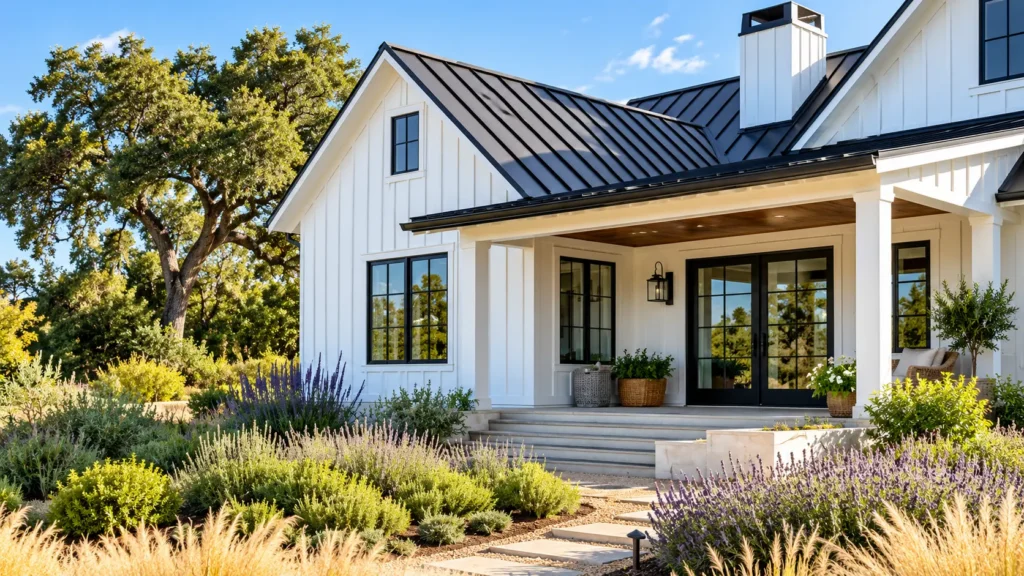
Changing window style during replacement can improve ventilation, glass area and usability without necessarily changing the rough opening. See what to compare first.
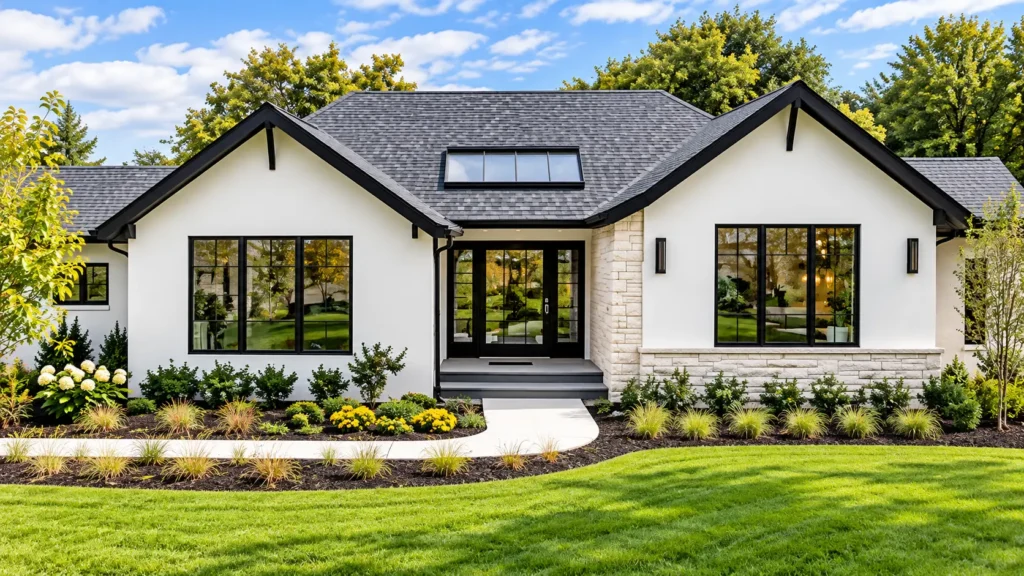
Window replacement near a deck needs extra planning for exterior access, flashing, drainage, railings and nearby structures. See what should be checked before ordering.

Compare 2-, 3-, and 4-panel patio door configurations, including usable opening width, glass area, traffic flow, installation planning, and budget.

See what changes when replacing a front door with sidelights or a transom, from measuring the full opening to glazing, threshold, and finishing decisions.

Learn what to check before changing an exterior door’s handing, hinge side, or swing direction during replacement, including clearances, weather, and code.
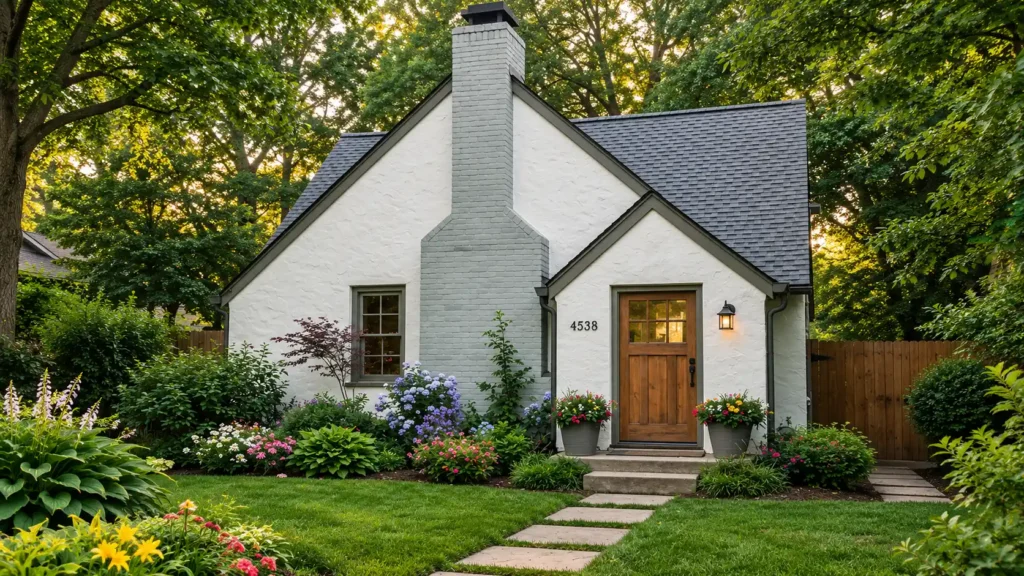
Learn how stucco changes window replacement planning, including measuring, retrofit versus full-frame installation, flashing, moisture control, and finish repairs.
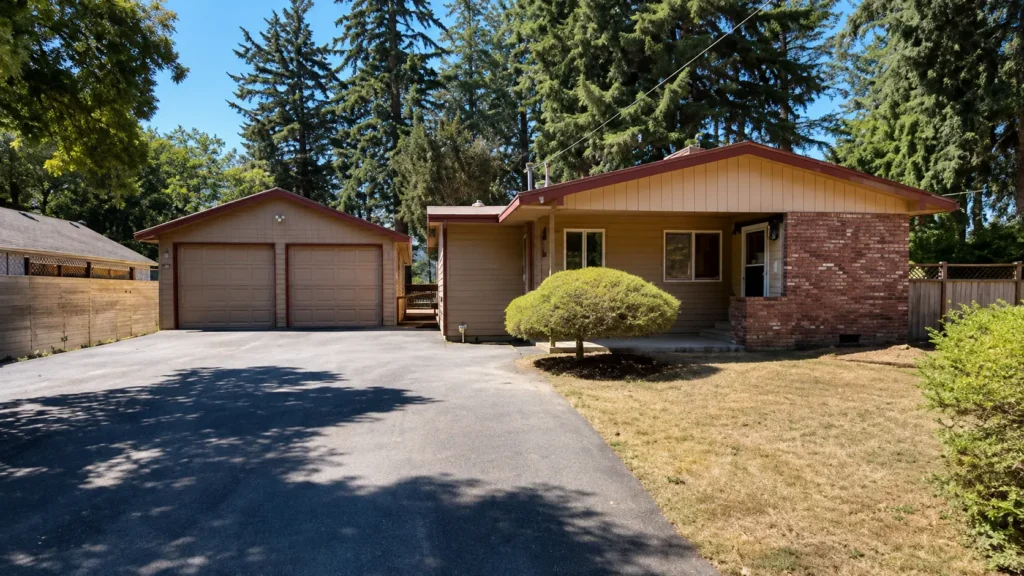
One of the more frustrating calls I get starts with a reasonable question: “These windows are new, so why does this room still feel cold?”
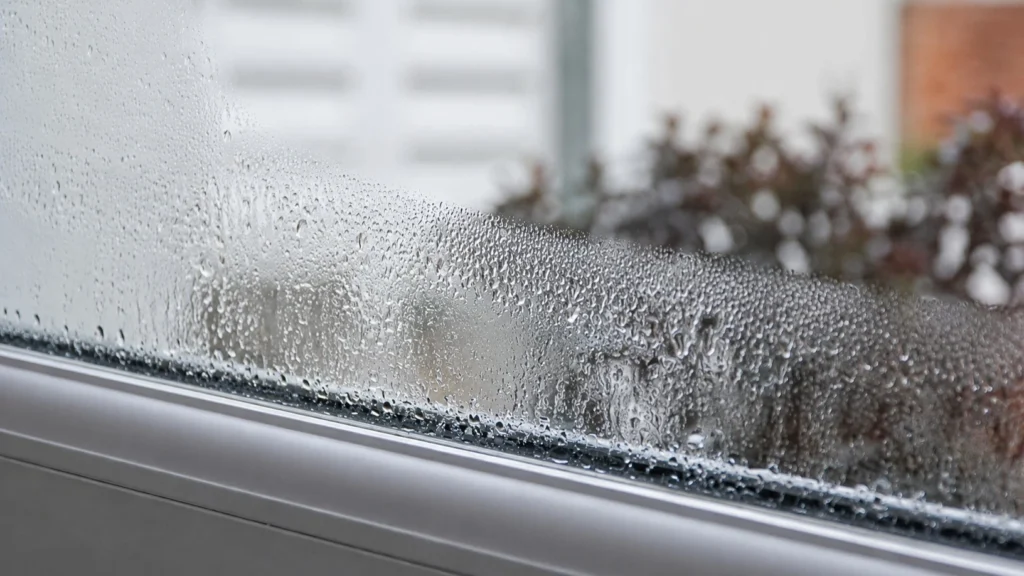
One of the stranger complaints I hear after a window replacement is this: “The old windows were bad, but they did not get this wet. Why are the new ones covered in condensation?”
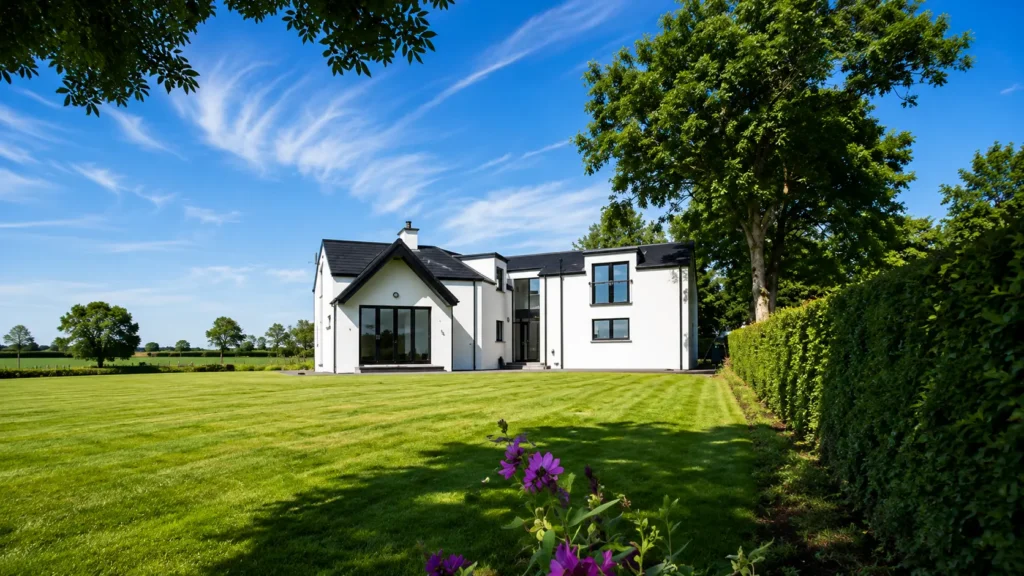
A window replacement warranty can look reassuring on a quote. Twenty years, twenty-five years, limited lifetime. Those numbers are easy to compare. When I review a window replacement warranty, I want to know what is covered, who is responsible for the coverage, how long each part is covered, and what the homeowner has to do if something fails.
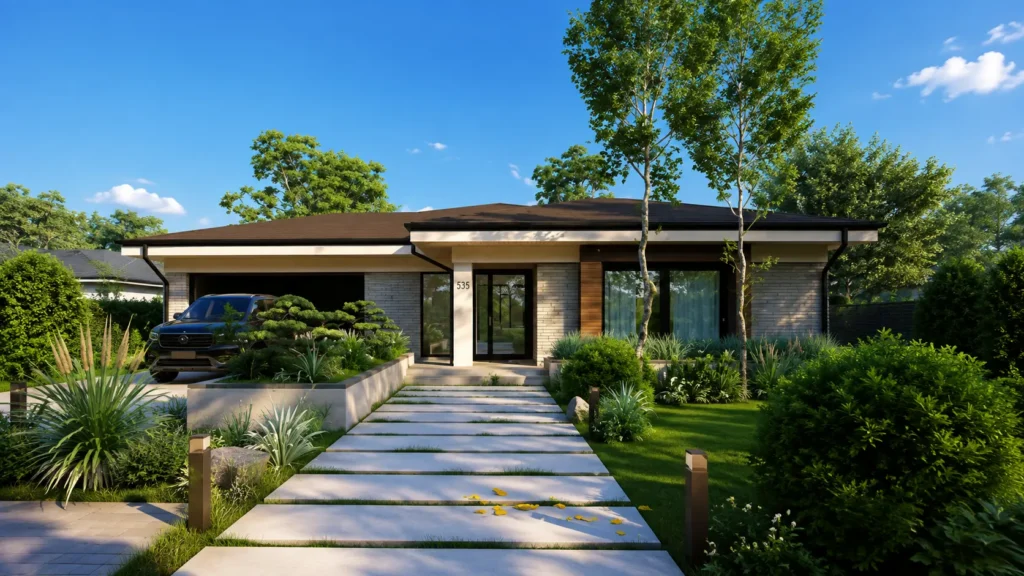
Homeowners sometimes ask whether new windows can stop hardwood floors, furniture, rugs, or artwork from fading in the sun. The short answer is that better glazing can help, but I would not promise that any residential window makes an interior completely fade-proof.
AlphaTech Windows & Doors
60% off on Windows Installation
0% deposit · do not pay till 2027