
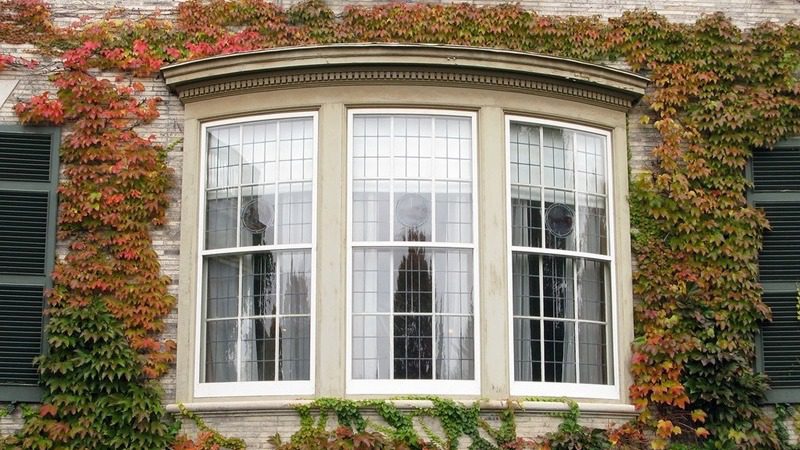
Bow Windows in Canada: What I Tell Homeowners Before They Replace One
In many Canadian homes, I see bow windows come up for the same reason – the old front window is drafty, the glass runs cold in winter, and the whole opening is starting to show its age. Sometimes the homeowner wants a better view or more light. Sometimes they just want to stop feeling that cold drop when they sit near the window. When we talk about bow windows, I always explain that they can work very well here, but they need to be chosen and installed carefully.
A bow window projects outward and uses several joined window units to create a softer curve than a bay. That shape is attractive, and it can make a room feel bigger, but it also means more exposure to wind, rain, temperature swings, and freeze-thaw cycles. In Canadian conditions, that matters. There are more glass edges, more joints, and usually more exterior detailing around the head, seat, and roof cap area than with a flat replacement window.
That is why this is not just a style decision. In most cases, the real question is whether the unit is engineered well, whether the glass package suits the home, and whether the installation team knows how to handle a projected assembly properly.
Why Bow Windows Can Be Problematic
Older bow windows usually fail in a few predictable ways. I often find air leakage at the joined sections, water entry where flashing was handled poorly, and signs of wear around the roof or seat board. If the unit is old enough, the glass may also lack low-e coating, proper spacer technology, or gas fills, so the room feels colder than it should.
One common misconception is that more glass automatically means better efficiency. It does not. A bow window can absolutely improve comfort if the product is high-performing and the installation is tight, but a large glazed unit with weak specs or poor detailing can underperform compared with a simpler flat window wall.
For homeowners comparing products, I usually suggest looking past the sales language and checking the actual numbers:
- U-factor tells you how well the window resists heat loss.
- Air leakage gives a clearer picture of how draft-resistant the assembly is.
- SHGC helps explain how much solar heat the glass lets in.
- ER is a useful Canadian rating for comparing whole-window efficiency.
If you want a good reference point, NRCan’s technical specification for ENERGY STAR windows and doors in Canada lays out the standards in a way homeowners can actually use when comparing options.
What to Think About Before Replacing One
Before choosing a bow window, I tell homeowners to step back and decide what problem they are really solving. That makes the product choice much clearer.
- If the goal is comfort, focus on insulation value, air leakage, and glazing package first.
- If the goal is appearance, make sure the bow shape actually suits the house and does not look added on.
- If the goal is more light and wider views, compare a bow against a bay or a large picture-window replacement before committing.
- If the goal is energy savings alone, be careful about overspending on upgrades that may not give a big return if your existing window is already fairly modern.
This is also where it helps to understand the difference between styles. A bow window gives a gentler curve and usually a more decorative look. A bay tends to feel more angular. A standard picture window is simpler and often easier to insulate well. If you are weighing those options, it helps to review a few window replacement options from AlphaTech Windows & Doors before deciding what fits your home best.
What I Look For on Site
When I inspect an opening for a bow window replacement, I am not just measuring width and height. I am looking at how the existing unit is supported, whether the wall shows signs of sagging or moisture, and how the exterior top detail was built. Poor support and weak flashing are where a lot of these projects go sideways.
Installation quality varies a lot in this category. That is just the truth. A bow window has more parts working together than a simple insert replacement, so small mistakes can show up faster. If the head detail is weak, if the support system is not right, or if the sealing around the joined units is sloppy, the homeowner may end up with drafts, condensation, or water problems that are hard to ignore.
Homeowners also sometimes misunderstand where the discomfort is coming from. They assume the glass itself is the only issue, when in reality I often find the bigger problem is air movement around the frame, the joints, or the surrounding wall assembly.
A Real Example
A homeowner I worked with had an older front-room bow window that looked fine from the street, but the room was uncomfortable every winter. They were convinced they needed the most expensive glass package available.
Once we looked closer, the bigger issue was that the old unit had leakage at the joined sections and signs of deterioration around the top exterior detail. The replacement still used a strong glass package, but we did not go overboard. We focused on proper support, solid flashing, and a better overall assembly.
The result was not just a nicer-looking window. The room felt more even, and the homeowner stopped avoiding that seating area in cold weather.
Cost, Timing, and Upgrade Decisions
Bow windows usually cost more than standard replacement windows, and often more than bays as well. There are simply more units involved, more assembly complexity, and often more finishing work inside and out. In many cases, the final cost depends as much on structural work, support, trim, and exterior detailing as it does on the glass itself.
I usually caution people against two extremes:
- Do not underbuy and end up with a large projected window that still feels cold in winter.
- Do not overbuy every premium add-on if the expected improvement is modest.
Triple glazing can make sense, especially in a long heating season or where the existing window is extremely poor, but it is not automatically the right answer for every home. It depends on exposure, house age, and whether the main problem is heat loss, drafts, condensation, or outside noise.
Timing matters too. These projects usually need more planning than a basic replacement. Manufacturing, support details, and finishing take coordination. They can be done year-round, but in most cases it is better to plan ahead than wait for a failing unit to become an urgent winter problem.
Closing Thought
A bow window can be a very good fit for the right home. It can add light, widen views, and give the room a bit more character. But I always tell homeowners the same thing – with a projected unit, performance depends heavily on the full package, not just the shape. Product quality matters, and installation quality matters just as much.
At AlphaTech, this is the kind of project where experience really counts. When a unit projects out into the weather, careful planning and honest advice usually make the difference between a nice-looking replacement and one that actually feels better to live with.
Q&A
Is a bow window more energy efficient than a regular window?
Not automatically. A well-built bow window with good specs can perform well, but a simpler flat window may still be more efficient if the bow has more glass area, more joints, or weaker installation.
Will a bow window make the room colder in winter?
It can if the product or installation is weak. In most cases, a modern, properly installed unit should feel much better than an old leaky bow window, especially if comfort near the glass is one of the main concerns.
Is triple-pane glass worth it for a bow window?
Sometimes, yes. I usually see the best value when replacing a very old unit or solving a real comfort problem. If the current window is already decent, the improvement may be noticeable but not dramatic.
Is replacing a bow window a simple retrofit job?
Sometimes, but not always. These projects often involve support, flashing, exterior capping, and interior finish work that go beyond a standard insert replacement. That is why site inspection matters so much.