
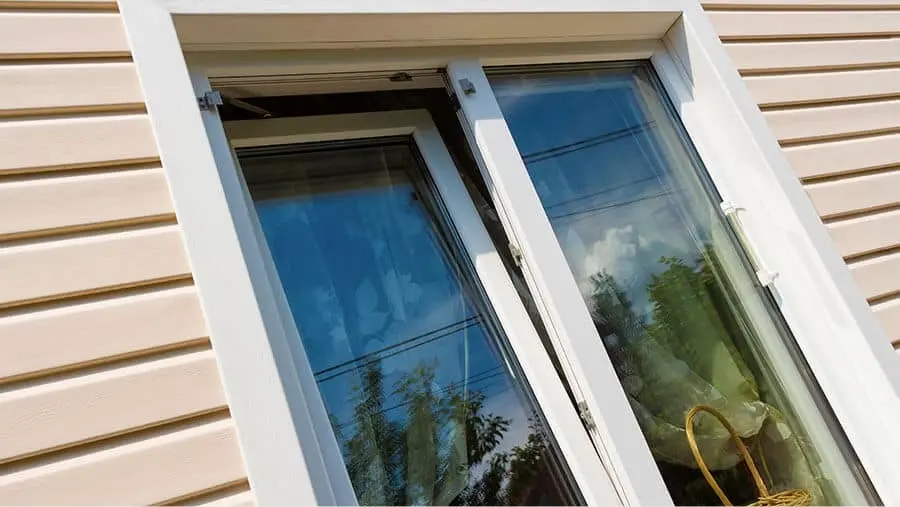
Tilt and Turn Windows in Canadian Homes: What I’ve Learned on Real Installations
In a lot of Canadian homes, especially once winter settles in, the complaints tend to sound the same. Cold air creeping in around the frame. Condensation building up. Rooms that just never feel comfortable no matter how high the heat is set. I often see this most clearly in homes still running older slider or double-hung windows from a few decades ago.
That’s usually when the conversation around tilt and turn windows comes up, especially for homeowners looking at a full window upgrade rather than another short-term fix.
Why These Windows Stand Out in Canada
From an installer’s perspective, the biggest difference with tilt and turn windows is how tightly they seal. Instead of a simple latch, they use multipoint locking that pulls the sash snug against the frame all the way around.
In Canadian winters, that matters.
The continuous compression seals do a good job of cutting drafts, especially during those freeze-thaw cycles where melting snow and refreezing can expose weaknesses in older window designs. In most cases, water penetration is also much less of an issue because there are fewer gaps for moisture to work through.
The tilt function is something homeowners don’t always think about right away, but it’s useful. You can ventilate the space without fully opening the window, which helps during cold or wet weather when you still want fresh air without bringing snow or rain inside.
Where Problems Can Show Up
That said, these aren’t plug-and-play windows, especially in older homes.
Tilt and turn units are heavy. Between triple-pane glass and reinforced frames, they put more stress on the opening than standard windows. If the rough opening isn’t properly supported or the shimming isn’t precise, I’ve seen sashes start to sag or bind within the first year.
In homes built between the 70s and 90s, the framing often wasn’t designed with this kind of weight in mind. Sometimes we need to adjust the jambs or even rebuild parts of the opening to make everything work properly.
Another thing that catches people off guard is the inward swing. It changes how you use the space around the window.
What to Think About Before You Commit
Before going ahead with tilt and turn windows, there are a few things I always walk homeowners through:
- Interior clearance matters. Curtains, blinds, and nearby furniture can block the window from opening fully if not planned out.
- Screens are different. These typically mount on the exterior, not the inside like most Canadian windows.
- Weight and operation. Most are smooth to operate when installed correctly, but they do feel heavier than standard windows.
- Glass choice. If you’re investing in this style, stopping at double-pane instead of triple-pane is usually a missed opportunity.
- Hardware familiarity. Not every installer is experienced with these systems, and that can lead to long-term issues.
This is also where working with a team that understands these systems becomes important. I’ve seen good products perform poorly simply because they weren’t installed properly. If you’re exploring options, it helps to start with something like a professional window installation consultation to avoid those common pitfalls.
What I Look for on Site
When I walk into a home to assess for tilt and turn installation, I’m not just measuring the opening.
I’m checking:
- Structural support around the frame.
- How level and square the opening is.
- Clearance inside the room.
- Whether existing trim and finishes will interfere.
A common misconception is that these windows will automatically solve comfort issues. They help a lot, especially in drafty homes, but if insulation or air sealing around the wall is poor, the improvement will be limited.
A Quick Field Example
I worked on a home where the owners were dealing with constant drafts near their living room windows. They upgraded to tilt and turn units expecting a dramatic drop in heating costs.
After installation, the comfort improved right away. No more cold air pooling near the floor, and the space felt more stable temperature-wise.
But their energy bills didn’t drop as much as they expected.
The reason was simple. The walls themselves had minimal insulation. The windows fixed one part of the problem, but not the whole system.
That’s something I try to be upfront about.
Cost, Timing, and Expectations
Tilt and turn windows sit at the higher end of the price range in Canada. Between the hardware, materials, and often custom sizing, the upfront cost is noticeably higher than standard casement or slider replacements.
Lead times are also longer. Many of these units are built to order, and depending on the supplier, you could be waiting several weeks or more.
If you’re planning ahead, ordering in late winter or early spring usually gives you better flexibility for installation timing before the busy season.
On the energy side, the savings are real but often misunderstood. Replacing old, drafty windows can noticeably reduce heating demand and improve comfort near the glass. But the idea that these windows will pay for themselves quickly is usually overstated.
For reliable performance benchmarks, I often point homeowners toward NRCan’s guidance on window efficiency and features. That helps ground expectations in actual data.
Final Thoughts
Tilt and turn windows are a strong option for Canadian homes, especially where older windows are underperforming. The comfort improvement alone can make a big difference day to day.
But they’re not forgiving.
The product is only as good as the installation, and small mistakes can show up quickly with heavier, more complex hardware. In most cases, taking the time to plan properly and working with experienced installers makes all the difference.
Q&A
Are tilt and turn windows worth the higher cost?
It depends on what you’re replacing. If your current windows are drafty or outdated, the comfort and air sealing improvements are noticeable. If your existing windows are already modern and well-installed, the upgrade may feel less significant.
How long does installation take?
For a typical home, installation usually takes one to a few days depending on the number of windows and any structural adjustments needed.
Do they really improve energy efficiency?
Yes, mainly by reducing air leakage. You’ll feel less draft and more consistent temperatures, but energy bill reductions vary depending on the rest of the home.
Are they hard to maintain or repair?
The hardware is more specialized, but in most cases parts are available. Proper installation and occasional adjustment go a long way in preventing issues.