
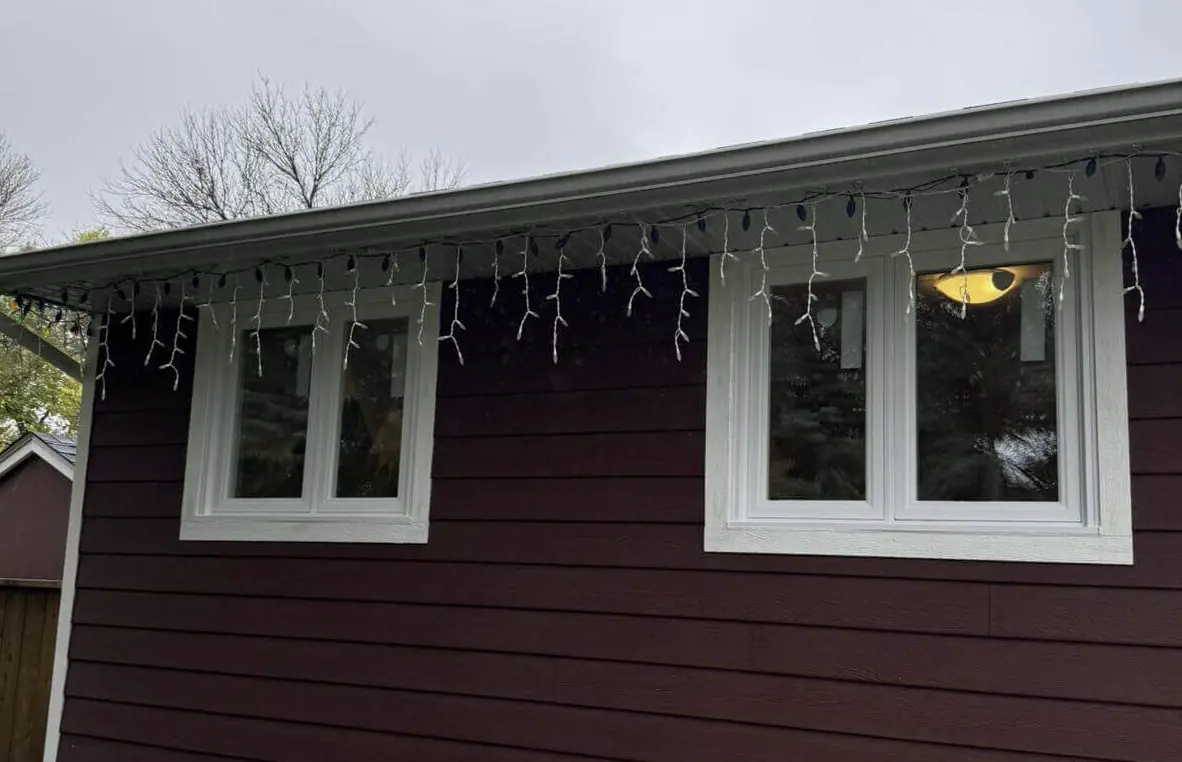
Casement Window Replacement: What I Tell Homeowners Before They Commit
By Alex, Senior Installation Project Manager, AlphaTech Windows and Doors
In many Canadian homes, the trouble with old windows shows up the minute the weather turns sharp. I often get called in when a room feels drafty, the crank is getting stubborn, or there is moisture building up where it should not be, and that is usually when homeowners start seriously thinking about casement window replacement.
Why this comes up so often
Casement windows are popular for a reason. When they close properly, the sash pulls tight against the frame gasket, which usually gives a better air seal than slider-style windows that depend more on sliding contact over time. That basic design is one reason casements are still a smart fit for Canadian conditions, especially where comfort and air leakage matter through a long heating season.
What I see in older homes is pretty consistent. The window itself may have started as a decent product, but years of freeze-thaw stress, worn weatherstripping, tired hardware, and small installation gaps can all pile up. Homeowners often assume the glass is the whole problem, but in real life the issue is often a mix of sash alignment, seal fatigue, and frame condition.
A big misconception is that any new window will automatically slash heating bills. Sometimes the biggest improvement is simply stopping uncontrolled air leakage and getting a more dependable seal, not some dramatic before-and-after utility story. That is also why installation quality varies so much from one project to the next, even when two contractors are quoting a similar product.
What to think through first
Before I recommend anything, I look at whether the window is failing as a unit or just showing one isolated problem. If the crank is stripped, the hinges are tired, and the insulated glass has gone foggy, replacement usually makes more sense than piecemeal repairs. If it is a fairly modern window with one bad glass unit or minor hardware trouble, repair can still be the better value.
A few decisions matter more than homeowners expect.
Insert installs can look cheaper up front, but in older openings they sometimes leave behind the very frame problems causing drafts or moisture trouble.
Triple glazing can be worthwhile, but not every home needs it and not every hardware package handles extra sash weight equally well.
Dark frames, wide exposures, and strong sun can be harder on some materials over time, so price alone is not a great way to compare options.
When I talk about performance ratings, I usually send people to NRCan’s technical specification for ENERGY STAR windows, doors and skylights because it explains how certification works in Canada and why climate-appropriate selection matters. That is a better starting point than relying on a sticker or a sales line that does not explain U-factor, glazing, or orientation.
What I check on site
During a site visit, I am not just measuring the visible frame. I am looking for slope issues at the sill, signs of trapped moisture, movement in the opening, interior trim clues, and whether the old unit was shimmed and sealed properly in the first place. A casement can look decent from inside and still be underperforming around the perimeter.
This is also where homeowners sometimes misunderstand the problem. Foam alone does not fix a sloppy install, and a premium glass package does not make up for poor air sealing. If the original opening has shifted or the old frame is deteriorating, a full tear-out is often the cleaner long-term fix, even though it costs more up front.
On our side, I like homeowners to compare more than just glass and price. On AlphaTech’s casement window page, you can see the sort of details I tell people to ask about, including multi-point locking hardware, heavy-duty handles, concealed drainage, and glazing options, because those details affect how the window performs and ages after install, not just how it looks on day one.
A short field example comes to mind. I looked at a home where the owner was convinced they needed the most expensive triple-pane upgrade across the whole back wall. After inspection, the bigger issue turned out to be tired old frames and air leakage around grouped openings, so we focused on better installation detail and sensible specs instead of overspending on upgrades that would not have solved the main comfort problem.
Timing and cost reality
Most homeowners start shopping when the problem becomes annoying, but the best decisions usually happen before it turns urgent. Spring and early fall tend to book up fast, so I often tell people to plan ahead if they want more flexibility on product choice and installation timing.
Cost is where people can get pushed into the wrong decision. Standard double-pane vinyl casements are usually the more accessible starting point, while fiberglass and triple-pane packages move the project up quickly, especially once you add full-frame work and trim repairs. In many homes, it makes more sense to pay for better installation and the right specification than to chase every upgrade on the sheet.
That is especially true with casement window replacement in older homes. If the opening is sound and your priorities are comfort, durability, and a cleaner seal, a balanced specification usually outperforms a flashy quote loaded with extras you may never notice in day-to-day living.
Questions homeowners ask
Q: Is full-frame replacement always better?
A: Not always, but in older homes it is often the safer choice when the original frame has wear, hidden moisture issues, or air leakage paths. I usually recommend full-frame when I want to see and correct what is happening at the rough opening instead of covering it up.
Q: Is triple-pane worth it?
A: Sometimes, yes. In colder conditions, noisy areas, or exposed elevations, it can be a good upgrade. But I would not treat it like an automatic must-have, especially if the real weakness is poor installation or failing old framing.
Q: How long does the process usually take?
A: The actual install is often fairly quick once the product arrives, but ordering and scheduling are what catch people off guard. In busy seasons, the wait is usually longer than the installation itself.
Q: Will new windows make a big difference in energy bills?
A: They can, especially if you are replacing old leaky units. But I usually set expectations carefully: comfort, draft reduction, and more consistent room temperature are the changes homeowners notice first, while energy savings depend on the rest of the house too.
A good window helps, but a well-planned install is what makes it hold up. That is the part I never rush, and it is usually the difference between a window that just looks new and one that actually feels right through a Canadian winter.