
Stop Patio Door Drafts Now

I often see rolled up towels sitting on the floor next to sliding glass doors. It usually shows up when Canadian winters set in and the floor near the back of the house feels like an ice rink.

I often see rolled up towels sitting on the floor next to sliding glass doors. It usually shows up when Canadian winters set in and the floor near the back of the house feels like an ice rink.

I often see homeowners struggling with their front entrances as soon as the first deep freeze hits. Usually, the door becomes incredibly stiff and hard to yank open, or there’s a freezing draft coming in even when the deadbolt is fully locked.
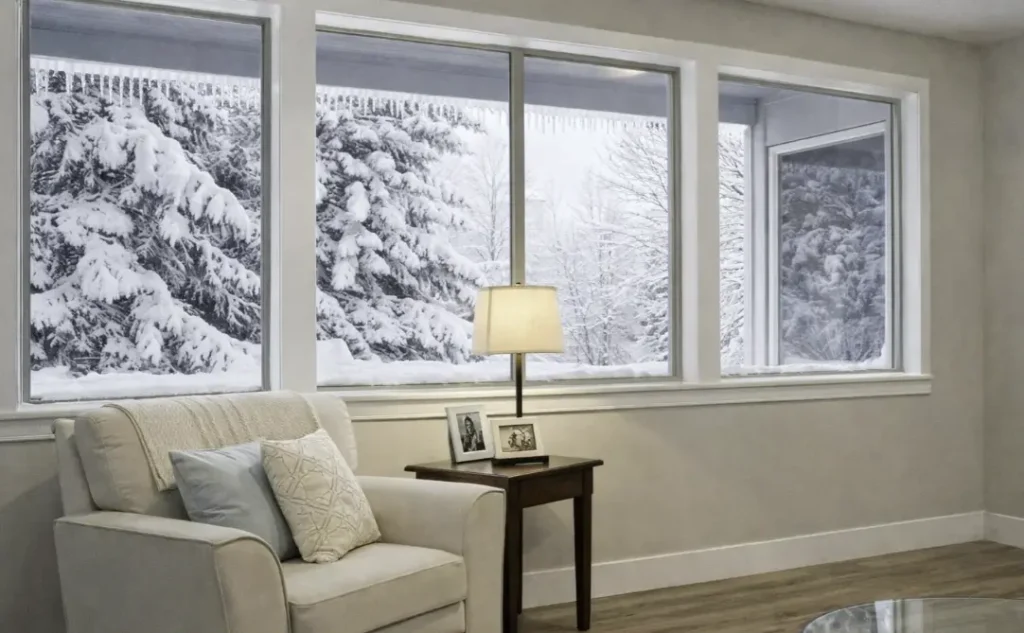
Manitoba homeowners endure the telltale signs with double lift-out slider windows as unrelenting prairie winters clamp down hard – both operable sashes freezing rigidly in place, wind chill penetrating gaps at -20°C with feels-like plunges to -40°C or worse, turning basements and main floors into iceboxes despite cranked furnaces.
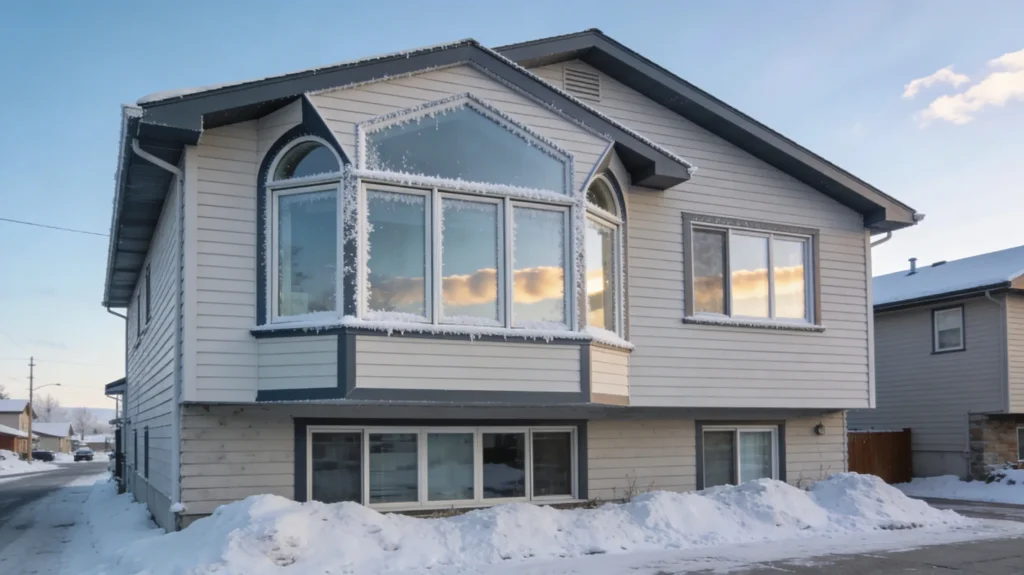
Alberta homeowners wrestling with odd-shaped openings in older ranchers or heritage bungalows often spot trouble when chinooks roar through – warped frames suddenly gap open, letting -30°C drafts howl, while fogged arches and bays leak precious heat despite past patches
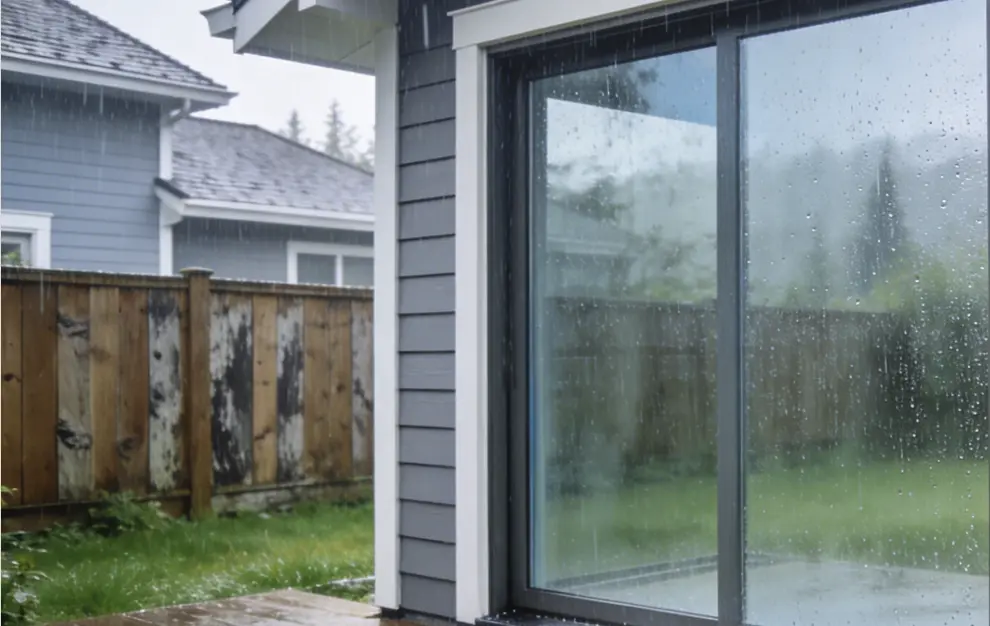
Homeowners across British Columbia often reach out after a heavy rain spell, when water starts pooling inside at the patio door threshold or cold drafts sneak in despite the mild coastal winters. In many homes, especially those older ranchers or split-levels with big sliders to the backyard, the door that’s supposed to connect you seamlessly to outdoor living starts failing quietly over the years.
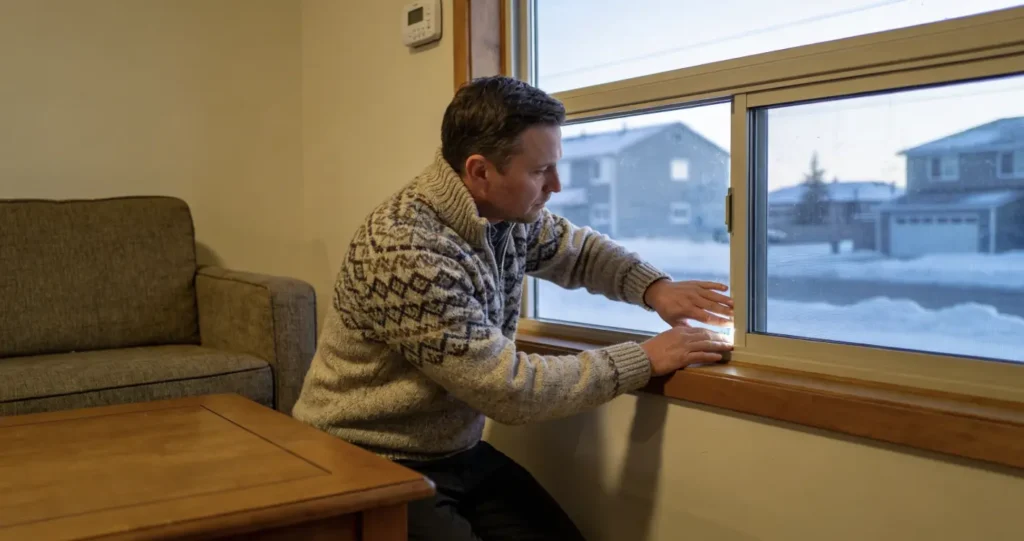
Across Alberta, homeowners start noticing their single lift-out slider windows struggling right as winter deepens, with sashes freezing shut or daylight visible around the edges during those brutal -30°C nights.
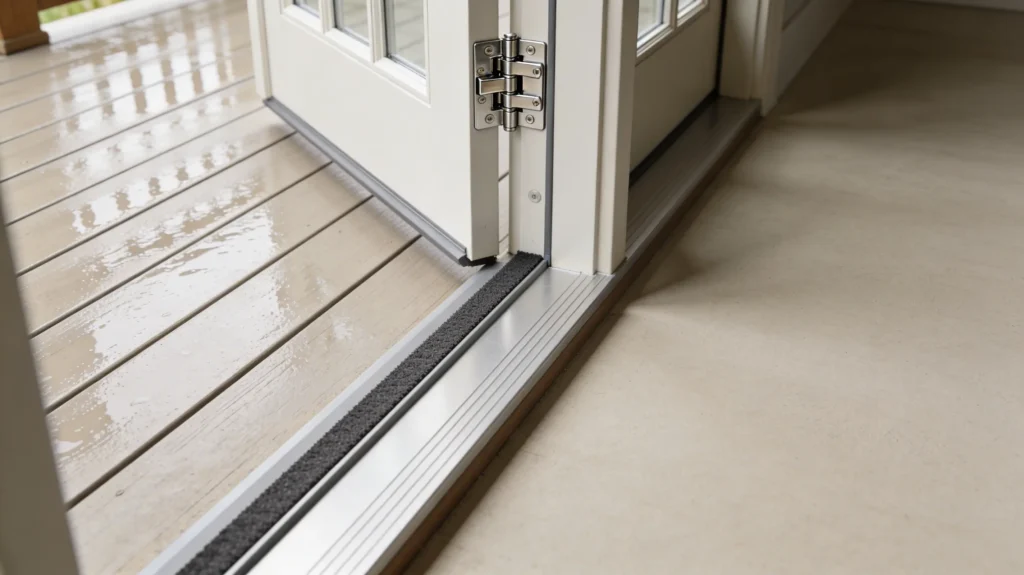
Homeowners up and down British Columbia notice French doors acting up first during those relentless coastal downpours, with water trickling in at the sill or panels refusing to latch tight against wind gusts.
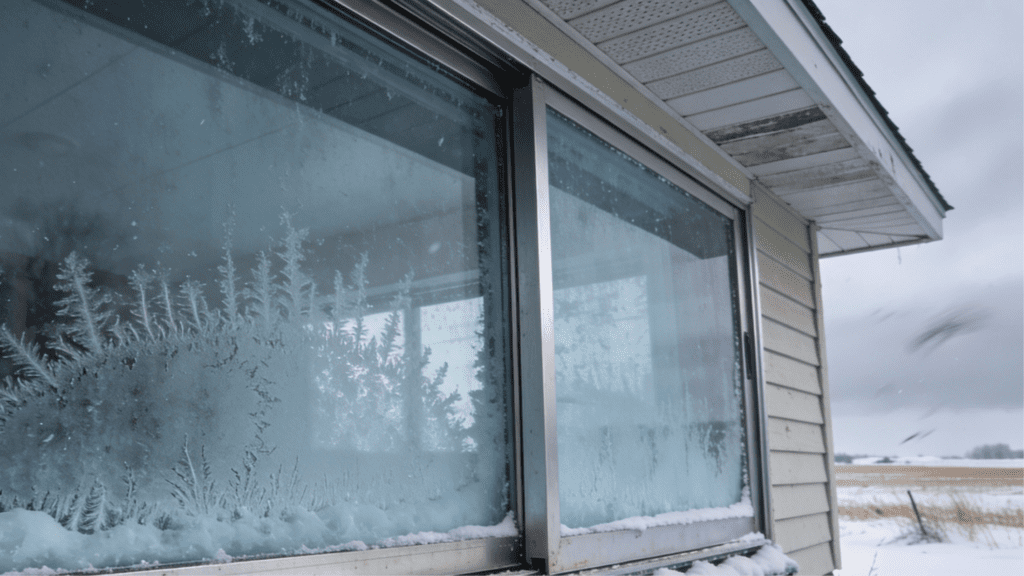
I get calls every winter from Manitoba homeowners frustrated with their patio doors. The slider freezes shut in the track during polar vortexes, forcing them to chip ice at -30°C just to let the dog out or grab deck furniture. Come spring thaw and summer storms, it jumps rails, leaks water inside, and lets humid air plus bugs infiltrate despite constant weatherstripping patches.

I often get calls from Alberta homeowners around late fall when the first real cold snap hits. Their front door feels like a sheet of ice to the touch, and they can see daylight peeking around the edges even after jamming a towel underneath. It’s usually the original door from the 70s or 80s, swollen from summer humidity and cracked from years of freeze-thaw cycles.
When homeowners call me about Window Installation Lethbridge, it usually starts with the same frustration. “The windows look fine, but the living room feels cold,” or “We can hear the wind through the frame at night.” I hear it from newer builds in Copperwood and Sunridge, and from older homes closer to London Road and Henderson Lake. In Lethbridge, the wind and fast temperature swings expose weak installs fast, so Window Replacement Lethbridge becomes less of a cosmetic upgrade and more of a comfort and durability fix.
AlphaTech Windows & Doors
60% off on Windows Installation
0% deposit · do not pay till 2027